

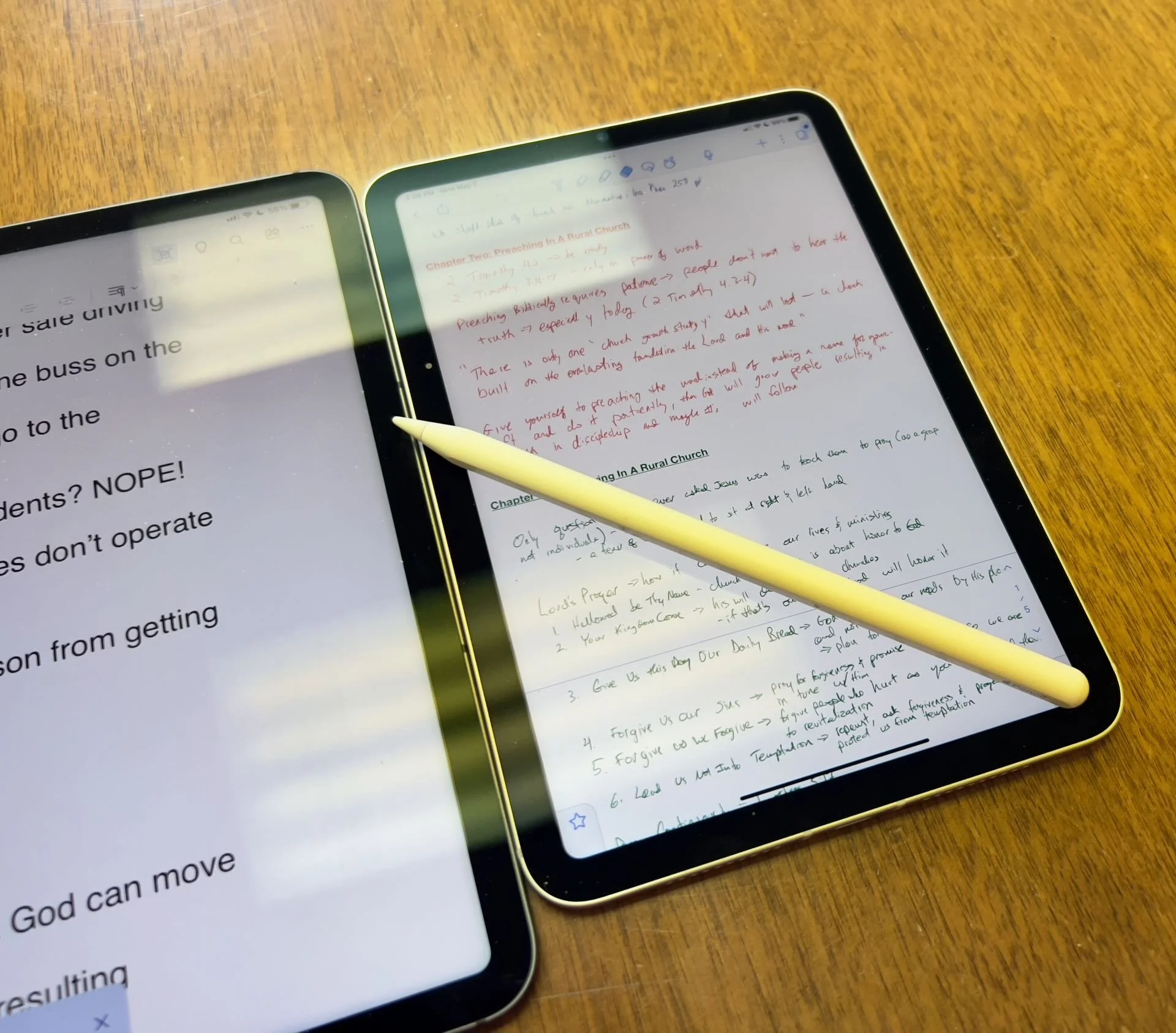
Which Apple iPad is Best for Bible Study?
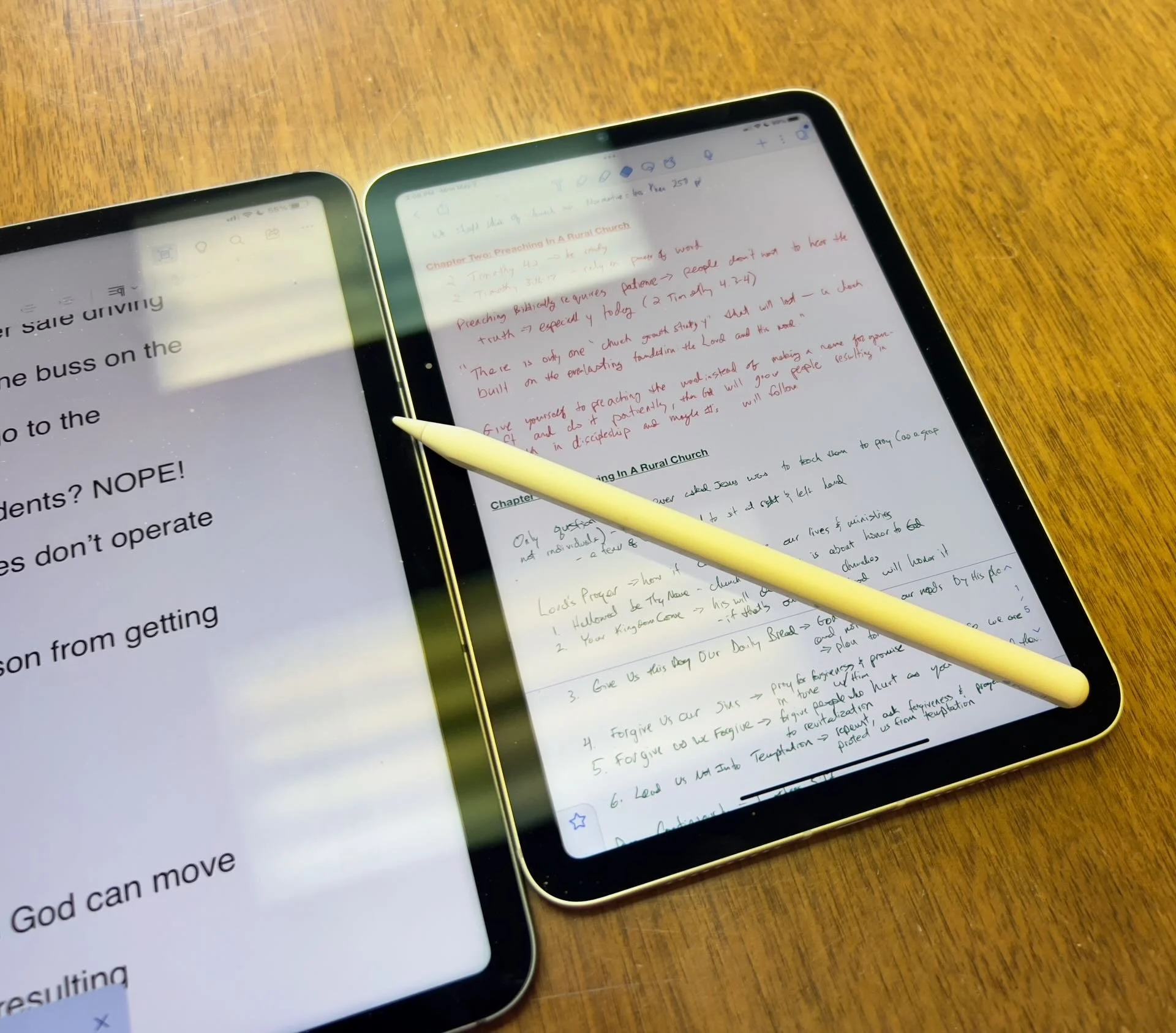
The Apple iPad in whatever form factor destroys the Android competition for great Bible study on a tablet. Windows comes in a close second because you can install a desktop-class Bible study program on it if you have the storage.
Even if you assume I’m correct about the iPad, which is a big assumption, what iPad should Bible students choose and why?

To just get the conclusion, jump to the end for my Conclusion at the end of the page.
The 4 Apple iPad Form Factors
All four Apple iPads include a slab of glass housed in a rectangular case. They come with varying qualities of screens, speakers, and speed. However, users will not see a huge difference in running the most popular Bible study apps from Logos, Olive Tree, Accordance, and more on any of the four current-generation Apple iPad. Still, let's take a look at each starting from smallest to largest.

The smallest iPad also gives users the most mobile experience. The iPad mini feels more like reading a book than the other iPads. It comes with an 8.3-inch liquid retina screen when measured diagonally. That's 7.69-inches tall and 5.3-inches wide, about the same size as a small Bible but capable of carrying an entire theological library.

The iPad Air has Touch ID on the power button, a convenient security feature. You will also get some pretty decent speakers on the two shorter edges and USB-C for connecting chargers or accessories.
If you want to carry your whole theological library, then you’ll likely also want one with 256GB of storage. Unfortunately Apple stubbornly only offers two storage options. You can get a meager 64GB or too much for Bible students with the larger 256GB option. Most people need more than 64 and less than 256.

The two storage options cost $499 for the base model iPad mini 6 with Wi-Fi only. With 256GB you add $150. That's ridiculous, but necessary because after you own the mini for a while, you'll want to use it more and more because it's so convenient to carry out. So plan to pay the extra coin.
I personally chose to add Cellular as well making it cost $$800. I like that I can just open the cover and start working no matter where I am, almost since there are some areas without coverage in my semi-rural community.
Throw in an Apple Pencil 2 and a cover and you're over $900. That's a lot of money, but you can get it on a 0% interest payment plan with your wireless carrier or with an Apple Card.
The newer Apple Pencil 2 connects and charges while connected to the side of the iPad. It's a great stylus but costs. More on that below.

Some people call the basic model the iPad 9 or iPad nothing because it doesn't include a descriptive name like the mini, Air, or Pro. It's the cheapest option at only $329 for 64GB of storage and no Cellular.
It includes a larger screen at 10.2-inches diagonally or 9.8-inches by 6.8-inches when measuring the long and wide sizes of the entire device.
The iPad doesn't support Face ID but you can unlock it by touching the Home button, which has Touch ID built-in. It uses older technology than the Air or even the mini. However, it's a great starter iPad for most people. And if you only plan to study the Bible, strongly consider it since it costs less than any other device. Users can use the Smart Keyboard.
The iPad 9 comes with the same problems as the iPad mini with only two storage options - 64 and 256 GB. So you really want the larger storage option which brings the price to $479. If you want Cellular, then add $130 bringing your total to $609. Most looking for this budget model won't want Cellular, but get the 256 because 64 isn't enough.
The other problems with the regular iPad include...
- Lightning connector is slower and makes accessories more expensive since creators have to pay Apple for the right to include Lightning.
- Lower resolution screen that's not as good as the mini and much worse than the Air or Pro models.
- Slower A13 Bionic Chip compared to the A15 in the mini and the M1 Chips in the Air and Pro models
- Uses the older first-generation Apple Pencil that charges by sticking it into the Lightning port making it easier to break off the connector or lose the cap.
Apple offers the iPad as the budget option and that makes it a great tool for people who want a device for basic needs, including Bible study, reading, and Bible app research. You can also pair it with a Bluetooth keyboard for writing. Just don't expect the latest and greatest. Those tech specs aren't included.
Some call this the best deal on an iPad today. You get the most bang for your buck. However, it will cost you more than the iPad and iPad mini. It has a much better screen and a super fast and efficient M1 chip. Plus it records 4K video with the back camera and has a front camera that follows you when you're video conferencing. They call that Center Stage because it centers the camera on the subject.
The Air speakers sound great and the screen looks amazing. You can use the awesome iPad Magic Keyboard case or the awesome Smart Keyboard Folio with the trackpad. I love this keyboard. Also, the newer Apple Pencil 2 connects and charges while connected to the side of the iPad.
However, we still see the annoying storage issue with only 64GB or 256GB. Plus Cellular swells the price by another $150. That brings the total with 256GB and Cellular to $899. For Wi-Fi alone, you pay $749. Why does Cellular cost more on the Air than on the mini or the basic iPad?

The iPad Air is the prettiest coming in one of five colors including Space Gray, Pink, Purple, Blue, and Starlight.
The iPad Pro below comes in two sizes, 12.9 inches, and 11 inches. Don't get the 11-inch iPad Pro. Instead, get the iPad Air.

The most expensive, powerful, and feature-rich iPad seems more like a mobile computer than a tablet. The iPad Pro which you can get in 11-inch or 12.9-inch screen sizes offers the most power of the four sizes. It costs $799 for the 11-inch and $1099 for the 12.9-inch.
Apple offers 128GB for the base price. That's the sweet spot and should be the lowest storage offered on any device made by Apple. It's the perfect storage for most buyers. However, you can get 256, 512, 1TB, or 2TB. You don't need anything more than 128 for Bible study. However, you may want to choose higher storage if you plan to use this iPad for much more than Bible studies, like video and photo editing, gaming, and more complex uses.
Users may want the large 12.9-inch screen because they want more screen real estate for Bible study.
Other specs to excite buyers include:
- Liquid Retina XDR Display
- ProMotion
- M1 Chip with more memory than the others
- Face ID and Center Stage camera
- 5G Cellular optional along with Wi-Fi 6
- LiDar support for things like 3D modeling
- Thunderbolt USB-C port that's fast and will connect to a Thunderbolt monitor or incredible docks with a lot of ports
Recommendation for Bible Study Only

If you only want to study the Bible then you have to ask yourself a few questions. Do you want something small and easy to carry around like a small Bible? Then get the iPad mini. If you need a bigger screen then get the iPad Air. It's the most future-proof and with all the tech inside it will last for a long time. However, budget-conscious buyers should go with yesterday's technology in the basic Apple iPad.
Just remember this. I've never met anyone who actually used a tablet only for Bible study. So, you can see yourself possibly needing a little more power, a good typing experience, or some screen real estate to edit your photos or make video masterpieces, then get the Apple iPad Air.
Recommendation for Bible Study and High-End Multimedia
If you just read the above paragraph, then you know I recommend the Apple iPad Air for people who want to study their Bible with Logos, Accordance, Olive Tree, or some other Bible app and work with multimedia. But which iPad Air should you get?
The 256 is, unfortunately, the best option until Apple gets its head out of the sand and starts offering a 128GB option.
Recommendation for Those Needing a Large Screen

Buy the Apple iPad Pro 12.9-inch model with 128 GB if you only want to study the Bible or 256GB or more if you want to do high-end work like multimedia creation.
I bought the 12.9 Pro because I teach and preach from my iPad and due to my aging eyes the mini's just not big enough. The iPad Pro 12.9 means typing on a keyboard that's wide enough to enjoy. The Air was too narrow for my big hands. I spent more than I needed to. Until Apple offers a larger Air with 128GB, I'll happily keep my Apple iPad Pro 12.9-inch.
Recommendation for Buyers on a Budget
This one's simple. Get the basic Apple iPad for $329 if you don't own a large Bible library or pay more for the 256GB model. You won't get all the power and specs and it may feel old in a shorter time since it's not as fast, but for buyers on a budget, it's the best way to go.
The only other budget option is to buy a used device or get an older one. Look at your budget and something that fits in your budget that also fits your preferred form factor.
You can check out Apple's Refurbished store. For example, they offer the iPad mini 5 for the same price as the newest base model iPad. For slightly more than the base model you can get an Air with Wi-Fi for just $419.
Check out eBay, Facebook Marketplace, and Swappa as other options for used and refurbished products. You can get a great deal.
Must-Have Accessories
When you buy an iPad, you also have to factor in buying accessories. Other tables like the Samsung Galaxy Tabs come with at least a writing device. You can use the tablet alone, but I wouldn't. You'll need the following accessories.

- Cover or Case - you will want to protect your device.
- Keyboard or Keyboard Cover - you can study the Bible on your iPad more efficiently with a keyboard connected.
- Apple Pencil - you may want a Pencil to write or take handwritten notes in apps that you can use alongside your Bible apps.
- Screen Protector - I used to not protect the screens on my tablets, but when you carry it around naked you should.
- Headphones - many Bible apps include audiobooks or videos.

Let me offer my top recommendation for each category above.
- The Apple covers or cases work best, but if you want to save money go with cases from Moko, Spigen, or Moshi.
- Apple's Keyboards or Keyboard Covers are the best options for the Air or Pro. The Magic Keyboard is $300 and the Smart Keyboard Folio costs $180. I love typing on my Magic Keyboard cover connected to my iPad Pro 12.9. However, Logitech makes great keyboards too if you want to use your iPad at a desktop. I have the Logitech MX Keys and MX Keys mini. You can also buy Apple's Magic Keyboards with or without Touch ID.
- Apple Pencil is the best writing device and I wouldn't buy another one. However, the Logitech Crayon is a $70 alternative.

- Screen Protectors are a budget item. They shouldn't cost a lot of money. Just get a glass screen protector. However, here's one alternative that some people really like. Get a Paperlike screen protector, which does two things. It protects the screen and gives users a paper-like experience for drawing and writing.
- Get the Apple Airpods or Beats to use for Headphones. They work best with Apple products and sound really good. However, not everyone wants to pay that much. Be careful which ones you buy, because sub-$100 Bluetooth earbuds usually sound like junk. To save money get Apple's USB-C to stereo adapter and plug-in wired headphones.
Conclusion

To do only Bible study, then get the iPad mini. You'll enjoy using it for hand-held study. If you want to put it on a table and need more screen real estate, then buy the iPad Air with an Apple Magic Keyboard. Add an Apple Pencil to either device if you plan to take notes in your own handwriting or want to write. Add a handwriting keyboard replacement app like Handwriting Keyboard ($3.99). Throw in a great note-taking app like Notability or Good Notes. This way you can have the Bible app on one side and the note-taking app on the other while holding the tablet.
Get Logos Legacy Library for 25% Off
If you need to buy a good Bible software package, consider using my affiliate link to get Logos Bible Software. You can get what they call "Legacy Libraries" for a nice discount of 25% off. A legacy library is a collection of books that they sold when they released previous versions of Logos from versions 5 through 8.
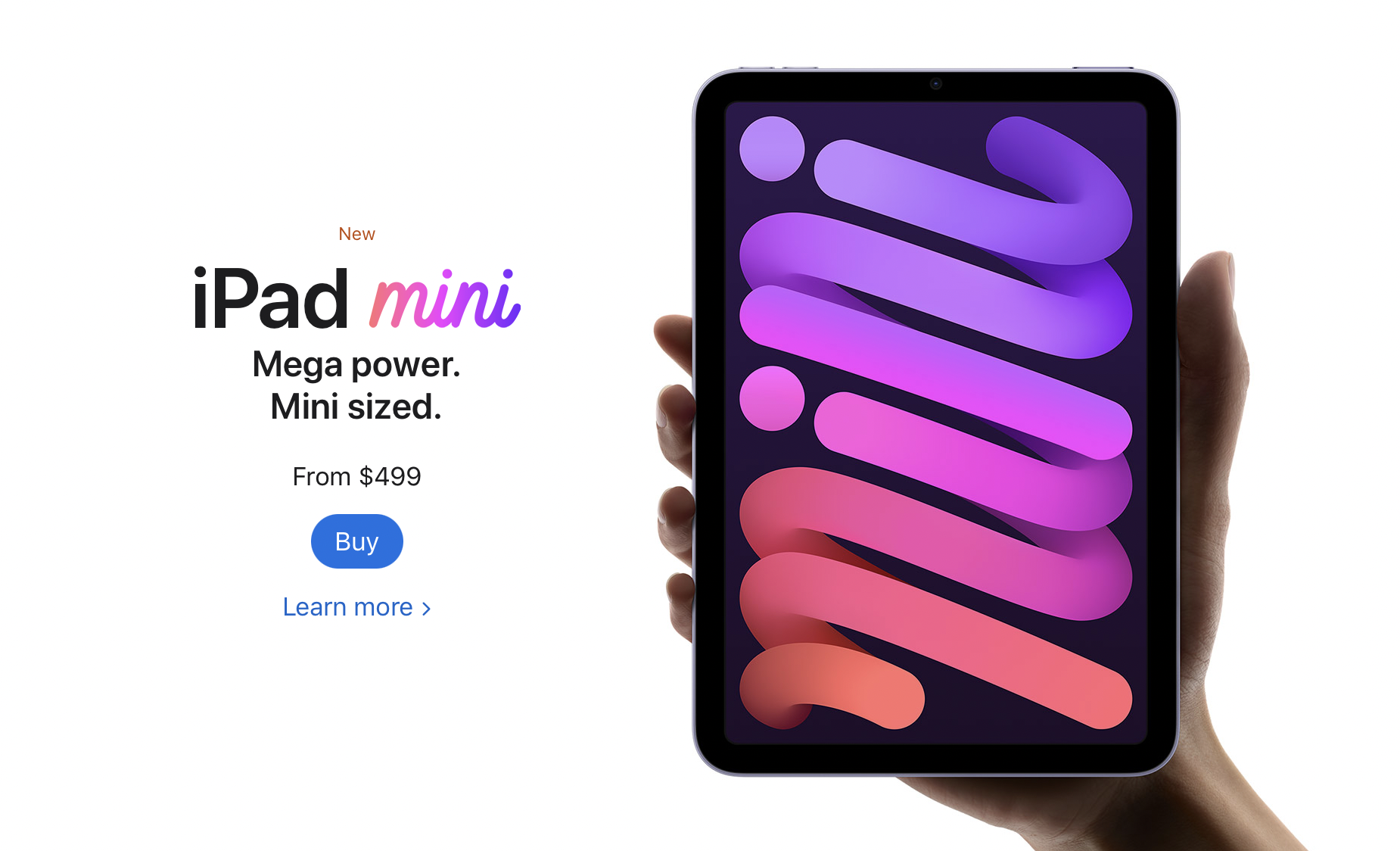
iPad Mini 6 Review for Ministers and Everyone Else
One of the best tablets for pastors is the iPad mini 6. Here's why I love it so much for ministry and general use.
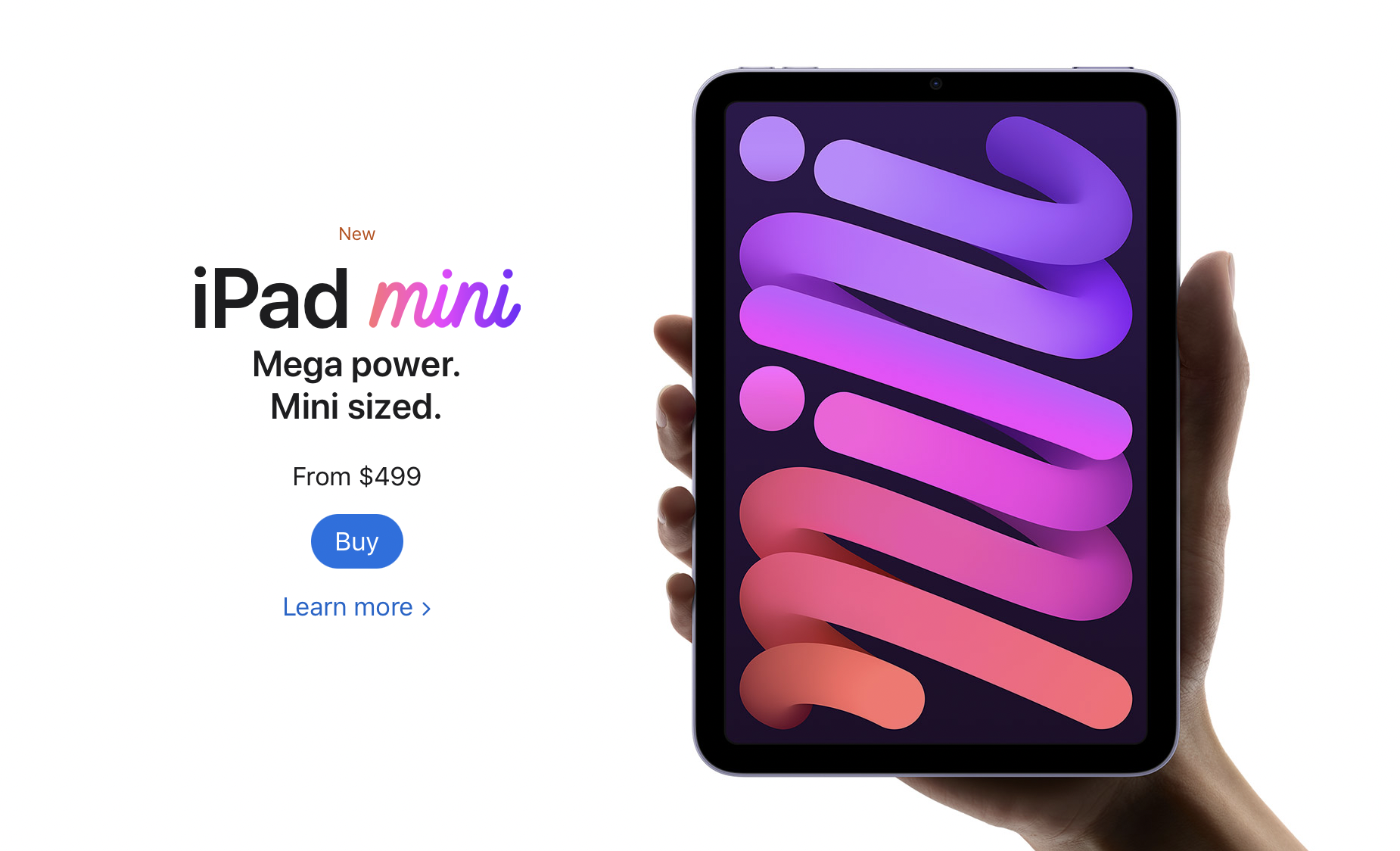
The Apple iPad mini 6 came out and I couldn't resist getting one. In fact, I sold my 12.9-inch iPad Pro and my iPad mini 5 so I could get the 256GB model. Here's my iPad mini 6 review for ministers and everyone else.
Let's start with how the iPad mini 6 ($499 for base, $649 as reviewed) fits in my life. I use it as my primary tablet and, for a little while, my only iOS device because a couple of months ago I switched from using an iPhone 12 Pro Max to a Samsung Galaxy S21 Ultra 5G. I moved back to the iPhone after that failed experiment. I shared thoughts on that transition in another post. The iPad mini 6 handles...
- Reading my Bible and others books in Bible apps and the Kindle app.
- A complement to my phone for checking email, Facebook, Twitter, and Instagram.
- Watching videos or listening to podcasts using YouTube, YouTube TV, Pocket Casts, and other streaming video services.
- Playing casual games.
- Quick photo editing for posting online.
- Quick video editing - mostly trimming videos, combining clips, color correcting, adding titles, and music but not complex edits.
- Flying my DJI Mini 2 drone.
- Taking notes in meetings with Notability and the Apple Pencil.
- Preaching from my tablet with Word or using Keynote for presentations.
We'll look at the uses listed above and then the hardware. If you just want to see what I think without the detailed iPad mini 6 Review, then jump to the bottom to get my recommendation.
iPad mini 6 Review: Bible Study and Reading Books
The screen on the iPad mini 6 looks pretty nice while reading books. The iPad mini 6 works well for studying the Bible in several Bible study apps and the Kindle app for reading books. Read magazines using the Apple News app.

I like reading on a screen. My wife prefers the Kindle Paperwhite and won't read books on a tablet, but I love using the iPad mini thanks to the sharp and clear display. If you hate reading on a screen and prefer e-ink or real paper, then don't buy the iPad mini 6 for reading. You won't enjoy it. However, I would recommend trying it out. Borrow a friend’s mini or spend some time at an Apple Store or Best Buy reading to see if you could use it. It’s nice caring only one tablet for reading.

All the Bible apps that run nicely on an iPhone look great on the mini 6. The screen's just big enough to open 2 books at once time or open a book and a note screen. The new window management in the iPad mini 6 or any of Apple's iPad thanks to iPadOS 15 makes it easier than ever to open two apps at once. You can...
- Open one Bible app and take notes in another
- Open your Bible app and a word processor like Word, Pages, or Notes
- Use your inking app, like Notability, and take handwritten notes while also studying the Bible in your favorite Bible app.
- Research topics on the Internet while and studying the Bible in your chosen Bible app.

The Kindle app and Apple News app look great. Reading other text in a browser, email, or social media also looks sharp and crisp.
Margins Notes or Highlighting like a Paper Book
Most of the Bible apps and the Kindle app won't let you take handwritten notes inside the app. iPadOS 15 added a new feature where you can grab your Apple Pencil 2 (sorry, but the first-gen Pencil doesn't work) and swipe from the lower right corner. Apple Notes opens a note and you can take what they call Quick Notes. These Quick Notes are attached to the content on screen. You can type or draw and write in your own penmanship.

While I would not use this for really important Bible study and research notes, it's great for a quick note that you can save and later add to the notes feature. I type faster than I can write with the Pencil, but Quick Notes works great for those instant observations in another app outside your main Bible app, hence the name Apple gave the feature.

If you love to write in the margins of your books, then convert them to PDF and get an app like Notability, Liquid Text, or Good Notes. You can find others, but make sure they support importing PDF files. I use Liquid Text for this. It supports PDFs and Word docs. By the way, the OneNote app also supports handwriting with the Apple Pencil.
You could always highlight the Bible in the best Bible apps. This also works great on the iPad mini 6.
iPad mini 6 Review: Preaching from Digital Notes

When I preach, I always bring my iPad into the pulpit and view my sermon notes in Microsoft Word. It worked great on my 12.9 iPad Pro. Young people or those with great eyesight will love using the iPad mini 6, but it's a little too small to lay down on the pulpit. Word will enlarge the text, but then you don't see enough of the outline at one time. So, going forward I will not use my iPad mini 6. However, if you want to, open the document, put it in reader mode by tapping the icon on the toolbar (see the GIF above), and then pinch to zoom text.
You'll need to decide if your eyes see well enough to use the smaller iPad mini 6 for preaching notes. If you used an older iPad mini, then you'll like the new one. The screen measures slightly larger than the old version with an 8.3-inch display versus the older 7.9-inch on the 5.
Presenting Using the iPad mini 6

Presenting suffers the same problem for my older eyes as reading my preaching notes. However, I can use it and if you've used a small display for presentations before, then the iPad mini 6 will work for you.
If you simply plug in and swipe or tap to advance slides, the iPad mini 6 will work great. If you like to write or draw on the screen as I do (see above GIF), then the size might limit you. It's harder to present on the smaller screen compared to the 12.9-inch Pro display or the 10-11-inch display on the basic iPad, iPad Air, or smaller iPad pro.
With iPadOS 15 and macOS Monterey on a Mac, you can send the display of your iPad to the Mac using screen sharing (see GIF above). This would let you connect to a Mac hooked up to a projector or TV. Then screen share your iPad screen to the Mac.
iPad mini 6 Review: Screen and Input
Pick up the small and light iPad mini 6 and type on the screen with your fingers or write using Scribble, the new Pencil-based input system in iPadOS 15. The mini 6 handles this kind of input. However, I don’t really like Scribble, so I’ve installed a keyboard that lets me draw text and it converts it to printed text on the screen. It’s called Handwriting and handles handwritten text input better than Scribble.
iPad mini 6 Review: Performance
I'm not going to run benchmarks or battery tests. You can find those on more technical reviews elsewhere. Rene Ritchie does a great job of these kinds of reviews on his YouTube channel.
If you plan to use the iPad mini 6 as a tool in ministry, it performs efficiently and offers a nice improvement over the 5. It's snappier, scrolls through websites and books faster, and the inking smoothly displays your handwriting and drawing.
Some people report seeing a strange effect while scrolling. It's the great "Jelly Scrolling" controversy of 2021. See the effect in the video below.
The jelly scrolling issue clearly shows up in the video above. But, I don't see it on mine. It seems like you have to really look for it to see it. And if you do, then you may not see it again. If you get one that looks more noticeable, then get return it and get a replacement.
Since I don't notice the problem, I can't complain about it here.
Other than the Jelly Scroll issue, the iPad mini 6 performs well. I played videos, games, and read on it a lot over the first couple of weeks, and loved the experience. It feels like a good improvement over the 5, which I owned.
iPad mini 6: Video and Photo Samples
Most people will still use their phone or a dedicated camera to take pictures or shoot videos. However, I use my iPad mini to scan documents and the rear-facing camera works great. I import documents into my note-taking apps or scan them for storage in my OneDrive folder. After worship, I scan all the guest cards to contact them. I also scan new member cards to add them to our church role.
More people will use the front-facing camera to stream themselves on social media or for FaceTime, Skype, or Zoom calls. The camera works fine for these situations.
A new feature on the iPad mini 6 enables ultra-wide video so that the camera will follow you around your room even if the iPad remains stationary. The software will zoom in and focus on your face so you can get up and move left or right and then back to the center frame.
In a pinch, the camera does a nice job of taking photos and videos. Here's a sample of photos taken on the iPad mini 6 camera. They are all without edits and exported from Photos to JPG. The one of me in my orange shirt is taken with the front-facing camera. The other four are taken with the rear camera.


The colors look nice. Each photo seems sharp enough for snapshots. I wouldn't try to get high-art photographs with the camera. All of that said, the camera impressed me. Until this model, I wouldn't even consider taking this much time in a review to discuss the quality. But this camera works better than any previous iPad camera.
iPad mini 6 Review: Flying My DJI Mini 2 Drone

Flying a drone usually starts with connecting a phone to the drone controller. However, I never really liked using the small screen of the flown. There's too much on the screen for even a large screen like the one you get with the iPhone 13 Pro Max. So, flying a drone with an iPad mini 6 makes drone pilots happy.


The above set of screenshots shows the interface of the DJI Fly app, used to control the DJI Mini 2 drone. All the controls show up with plenty of room to see the images from the drone's camera.
To fly a DJI drone with the iPad mini 6, you'll need a special attachment like the Drone Valley Gear Tablet Mount ($18.95) that I bought on Amazon. It fits an iPhone, iPad mini 6, or another tablet of similar or even larger size.

If you want to learn more about the mount, see Drone Valley's video below.
iPad mini 6 Accessories
I bought the official Apple Smart Folio in Electric Orange for $59. I also accidentally got the Dark Cherry, but it showed smudges too much, so I stuck with the bright orange Smart Folio and I'm glad I did.
The case covers the back of the iPad mini 6 then wraps around the left side of the device to cover the front. The back snaps into place thanks to magnets that reliably hold it on the iPad.
The front part of the Smart Folio folds up into a triangle to turn into a stand. It will hold the iPad up in an angle best for watching a video and a lower angle for drawing.

The magnets in the front part of the Smart Folio snap onto the front part of the iPad and this turns the screen off until you open the case and it turns the screen back on. It also folds onto the back and snaps into place so you can hold it and read or do other things.
The Apple Smart Folio case feels like it will hold up, but for $59 it seems like it should feel more premium. It has a bit of a cheap feel to it. You can find cheaper cases, but I like Apple’s because they’re designed better even if the raw materials aren’t as premium.
The Folio also comes off easily making the iPad mini 6 lighter and therefore easier to read on it.

The Apple Pencil 2 snaps onto the right side (in portrait orientation) and automatically pairs with the iPad. It also charges while connected. The magnets seem stronger this time than my old 2020 12.9-inch iPad Pro.
The Apple Pencil costs $129, a little steep for a stylus. However, it's one of the best you can get especially for artists.

I don't use the iPad mini for typing very often, but Logitech makes the best keyboard you can pair with the iPad mini 6 or any tablet. The new Logitech Mx Keys Mini costs $99, a lot for an iPad mini keyboard. I use it with other devices so it's worth the price. You get a great keyboard that's small enough to carry in a bag but small enough that it doesn't take up too much space.
Add to the Mx Keys Mini, Logitech's great MX Anywhere 3 mouse, also pricey at $79.99, and you get a mini-computer on the go.
The above image shows a pair of Samsung Galaxy Buds 2, but the best wireless Bluetooth earbuds are the Apple Airpods Pro. They automatically switch to the iPad mini 6 when you put them in your ears and start playing media.
iPad mini 6 Review: Specs
- Screen
- 8.3-inch display with 2266x1488 pixels and 327 pixels per inch
- IPS LCD with 60Hz refresh rate
- 500 nits brightness
- System Hardware
- Apple's A15 Bionic processor
- Hexa-core 64-big
- 64 or 256GB storage
- Battery
- 5078 mAh LI-Polymer battery
- Runs over 10 hours in most tests
- Cameras
- Rear camera - single 12MP with F1.8 aperture
- Video recording at 4K 60fps and 1080P at 240fps
- Front camera - single 12MP with 1080P video
- Connectivity
- 5G, LTE Celular with dual sim support
- Wi-Fi 6
- Bluetooth 5.0
- Physical Size and Details
- 7.69 x 5.31 x .25 inches
- 10.34 ounces
- Volume up/down and power button with integrated fingerprint reader
- USB-C charging port with cable and brink included
- Comes in Space Gray, Pink, Purple, and Startlight
Recommendation
I love my iPad mini 6. It was nearly the perfect update over the 5 with a better camera, USB-C, faster processor, and just an overall better experience. If you own an old iPad mini, then seriously consider upgrading, especially if it’s a 4 or older. If you own an Android tablet or. Kindle, then the iPad mini 6 will cost more, but it’s worth it. Android phones might compete well with the iPhone, but I’ve never used an Android tablet that meets my needs as well as the iPad.
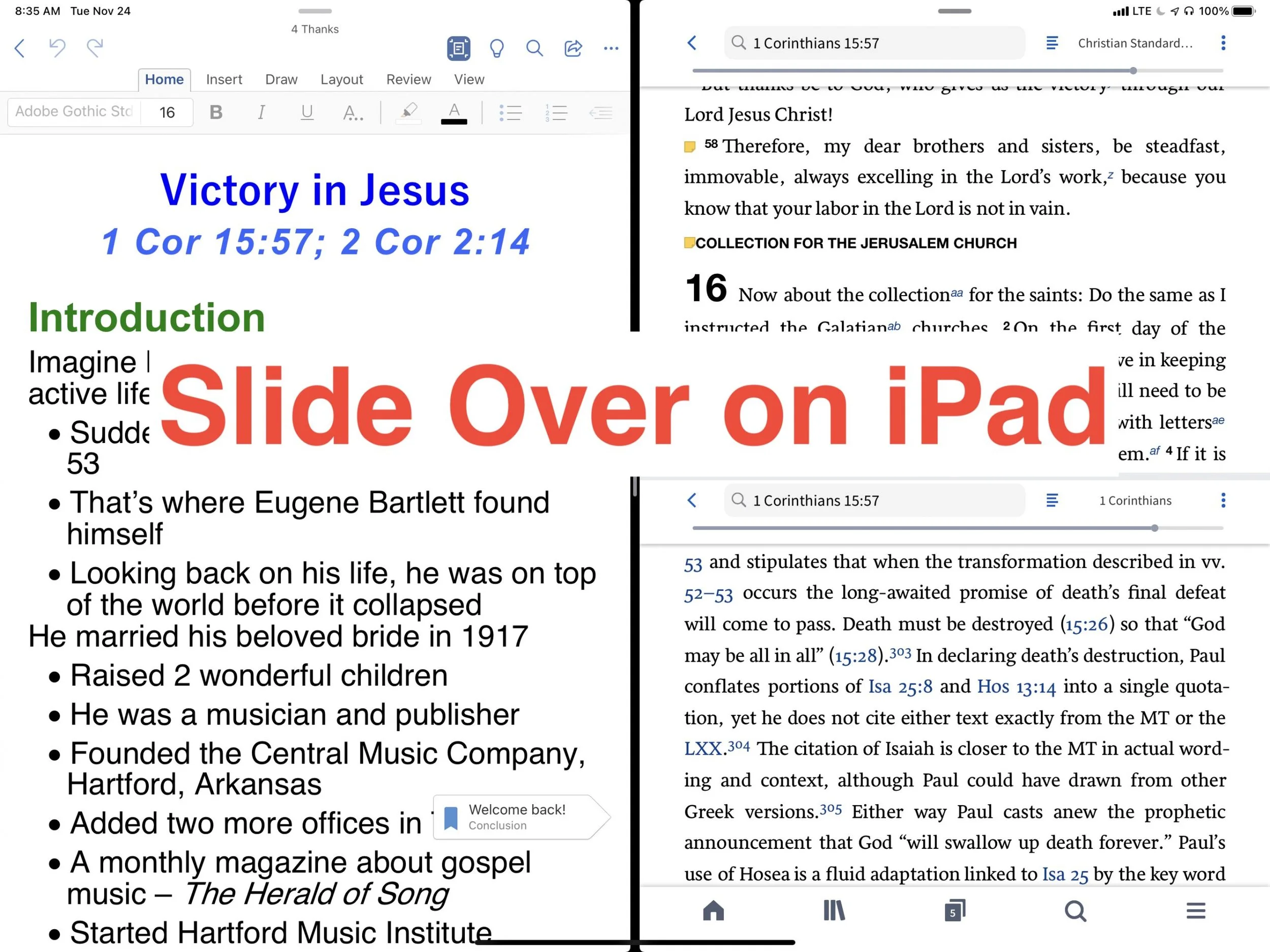
Slide Over on iPad Makes Your Bible Study More Productive
How can Slide Over on iPad make your more efficient and productive as you study and prepare for sermons or Bible studies? We'll show you how.
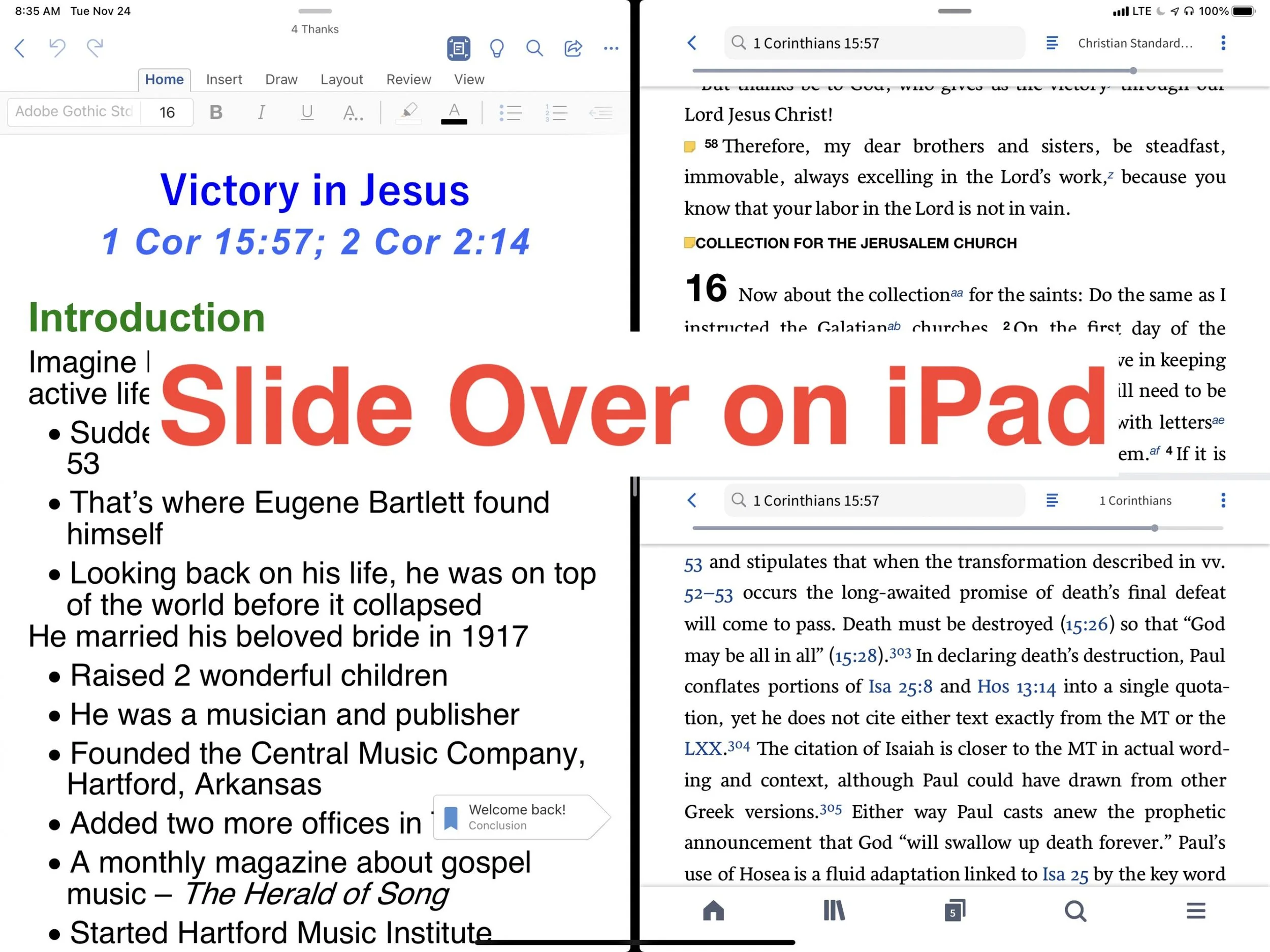
Do you use Slide Over on iPad as you study the Bible? If not, you should because it can increase productivity. Take a look at the following tips for effectively using Slide Over on iPad as you study the Bible or do other tasks on your iPad.

Switching back and forth from your Bible study app to your word processor or other mobile apps, while prepping sermons feels laborious. However, thanks to Slide Over with iPadOS digital Bible students can productively work with two apps at a time on larger iPad screens.
What is Slide Over on iPad?
When Apple released the first version of iPadOS more than a year ago, they perfected a feature called Slide Over. Think of it as two apps on the screen at the same time. Apple didn’t do it first, but iPad users found it cumbersome to use in previous releases.
The iPadOS will show you two apps at once. You can view them with both apps taking up half the screen or you can view them with one covering two thirds and the second app covering another third. The smaller window can sit on the left or the right side of the screen.
How do You Turn On Slide Over?
To open an app in Slide Over the app has to show up in your iPadOS dock. The dock sits at the bottom of the screen and holds all of your favorite or most-used apps plus three of the most recently used apps.

I keep my most-used Bible study app in the dock. But if you want to use another Bible study app that you don’t have in the dock, then open it first. Now slide up from the bottom of the screen slightly. You see a black line just above the bottom edge of the screen start swiping from that line and swipe about half an inch or so until you see the dock. Tap and hold a second app from the dock and drag it up to the right or left side of the screen. If a menu pops up then keep dragging up and over to the side of the screen.

The screen will show your two apps each taking up half the screen. If you want to adjust the size of the apps, drag from the line in the middle of the screen to the right or left to make one app smaller than the other.
When do I Use Slide Over in Bible Study?
I own a few Bible study apps that I regularly use in my sermon and Bible study prep. Sometimes, I want to read books in one app, but keep all my notes attached to the passage I’m studying in the same app. So, I open the app where I want to keep my notes and then I open the other app. That way I can read the second app while writing notes in the first.
During the sermon or Bible study writing phase, I’ll open Microsoft Word and my Bible app where I’ve kept all the study notes. That way I can easily refer to the notes as I write my sermon or Bible study.

Sometimes I want to research some idea on the web in order to come up with an interesting sermon illustration. I keep Word and Safari open at the same time. Sometimes I’ll open a video in YouTube or some other streaming app to quote the video in my sermon. Any app you might use it prep a sermon that supports Slide Over can be opened.
If I’m presenting while preaching or teaching, I’ll open Keynote and my sermon in Word at the same time. Or, I open Keynote and Safari to drag and drop images from the web as I put the presentation together.
Tips for Using Slide Over
You can master Slide Over with the following tips:
- Open apps not in your dock before trying to use Slide Over so they will appear in the recently used section of the dock on the right where your three most-used apps show up.
- If one app doesn’t need half the screen, give more screen inches to the other app by sliding the center adjustment line over a little.
- Set up multiple app combinations for Slide Over and use the switching feature to switch between these multiple app combinations.
- You change one of the two apps into a floating window by dragging from a small dark line at the top of the active app by pulling down slightly and hold it till it pops from the side to a floating window. Grab the line and pull down and to the right to put it back.
- While in the floating view, you can remove the window by swiping up or down to swipe it away.
- Move an app from one side to another by dragging it from the tiny black bar at the top and then slide it over to the other side of the screen until it snaps into place.
- Create multiple pairs of windows and swipe between them the same way you would swipe between apps.
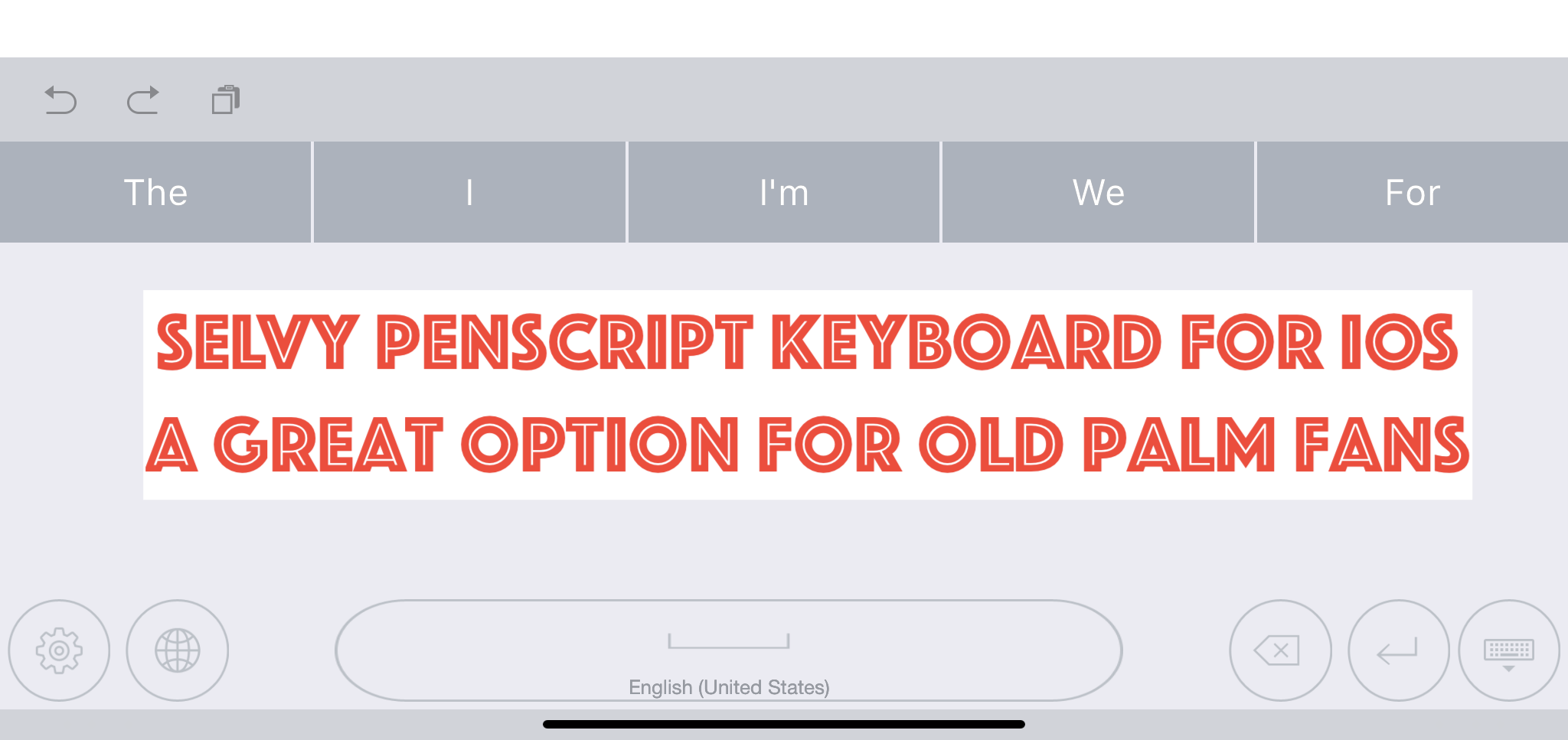
Selvy PenScript iOS Keyboard Recognizes Handwrting
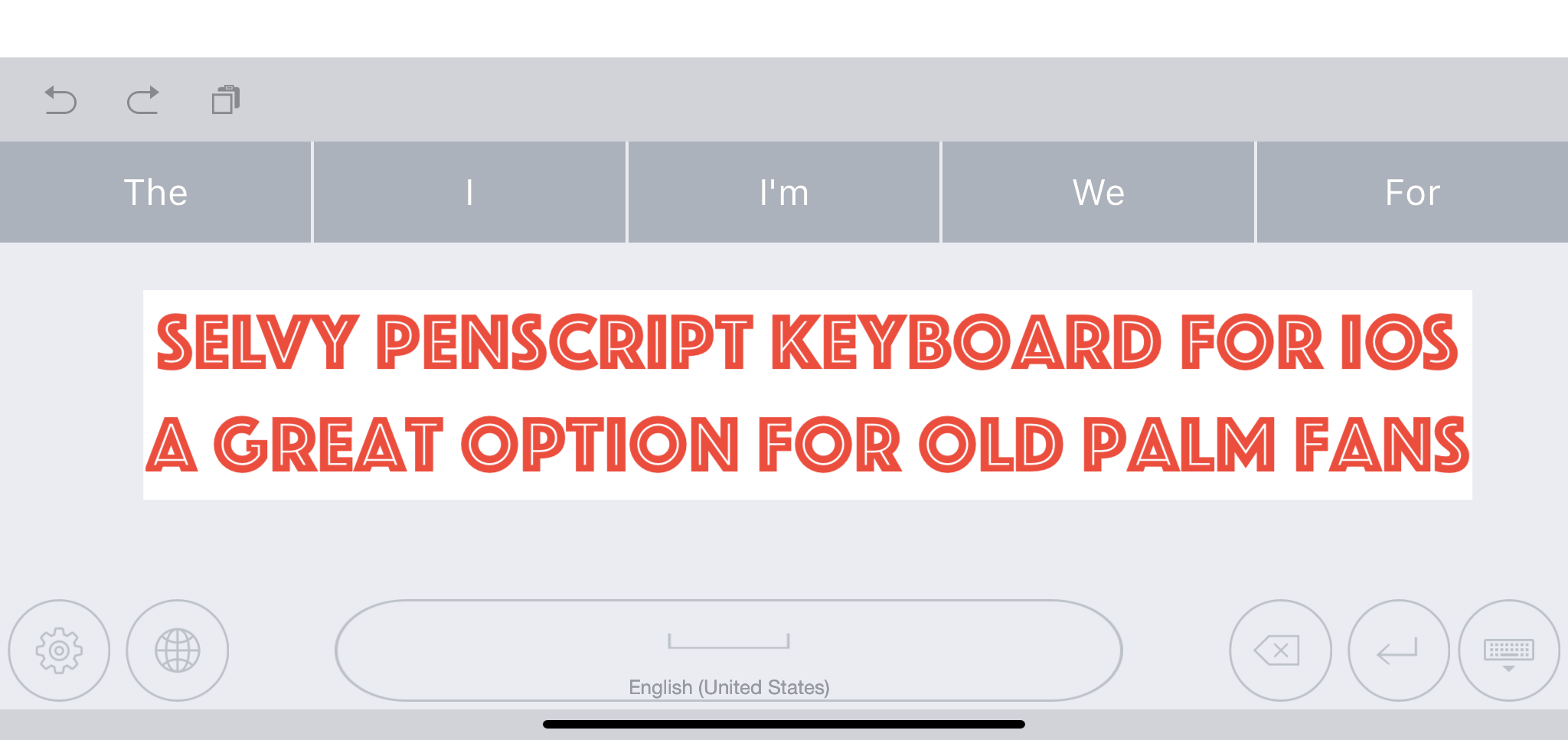
Remember the days of the Palm, when you could pull out a stylus and enter text by using a strange handwriting that would let you "type" with your handwriting. The Selvy PenScript iOS Keyboard feels succeeds the Palm Graffitti input method with a modern handwriting recogniztion that doesn't force you to learn a new way to write. You just your own handwriting while entering text on your iPad or even an iPhone.
iOS Replacement Keyboards
If you're not familiar with, them a replacement keyboard installs like an app from the Apple App Store. Download the app from the store and then you have to configure the iPad or iPhone to allow the use of the keyboard.

Go into the Settings app after installing Selvy PenScript keyboard. Tap on General on the list in the left. Then tap on Keyboard from center. Tap on Keyboards on the next screen at the top. Tap on Add New Keyboard. You'll see the Selvy PenScript keyboard listed among others. Tap on it to add the keyboard. Then tap on the keyboard name again and choose Allow Full Access.
To use the keyboard in an app, tap in a text entry box. For example, open the Notes app and create a new note or open an old one. Tap as if you were planning to enter text. The regular iOS keyboard will pop up, unless you have an external keyboard attached. If you don't, the keyboard pops up with a small globe icon in the lower left corner of the keyboard. Press and hold that key and the list of installed keyboards will pop up. Choose the Selvy PenScript keyboard.
Selvy PenScript Handwriting Recognition.

When you enter text the Selvy PenScript will pop up and you can now write. This works okay with your finger on an iPhone or an older iPad. However, people who use the Apple Pencil first or second generation will love this app. Writing with the Pencil in apps is wonderful.
The keyboard entry box looks simple. It has the following buttons across the bottom:
- Settings
- Keyboard chooser
- Space bar - long press to change the language of the handwriting recognition
- Backspace
- Enter
- Hide keyboard
Above the writing recognition box you'll see a row of words. This shows you options for your recognized handwriting.
The row of words usually has the correct word. However, you don't need to tap the word to enter it. Just pause your handwriting for a moment and it enters the text in the text entry area of the app your writing in. Customize the length of the delay in the app settings.
Selvy PenScript App Settings

The Settings icon brings up the app. Tap on the button on the lower left of the keyboard. You'll then see the App Settings. The available entries include:
- Languages - choose your keyboard language.
- Customizations - the real settings are here. See below for more info.
- About - version numbers, etc.
- Feedback - send the developers your feedback and bug reports.
- Installation Guide - teaches how to make the keyboard work in iOS.
- Try It - test out the keyboard.

The top portion lets you choose your Pen Color. We then get an option to customize the thickness of the line. The next two sections show options for putting a space after a word and putting a period at the end of sentences. Finally, there's an option to change how long the keyboard will take to recognize the text and enter it wherever you're entering text.
Conclusions
The Selvy PenScript keyboard does a great job of recognizing your handwriting. If you own an Apple Pencil, then it's a great experience. However, for short text input the regular keyboard works better. I have used it a little for entering text with my finger, but that's not as satisfying.
Go grab the Selvy PenScript. It's free and works great. However, you'll want to remember that any text that you enter using the keyboard will go through their Korean servers. Some might find this worrisome. I don't.
iPhone Xs Not Enough to Get My Cash
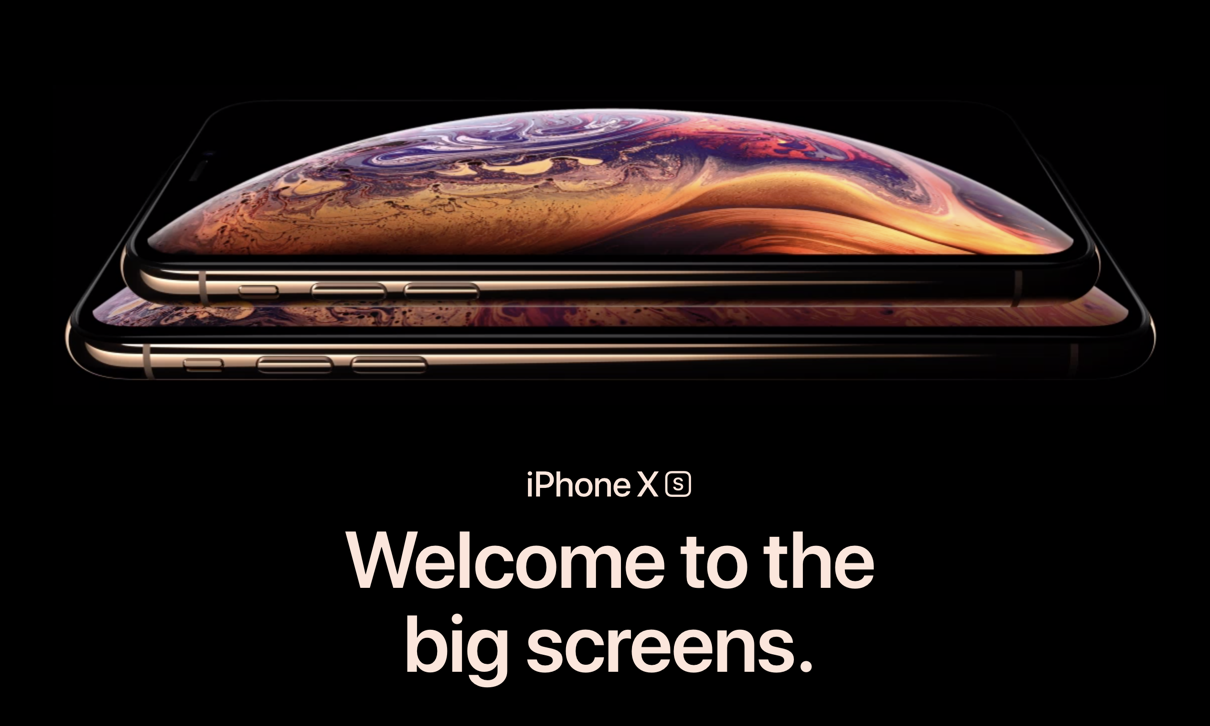
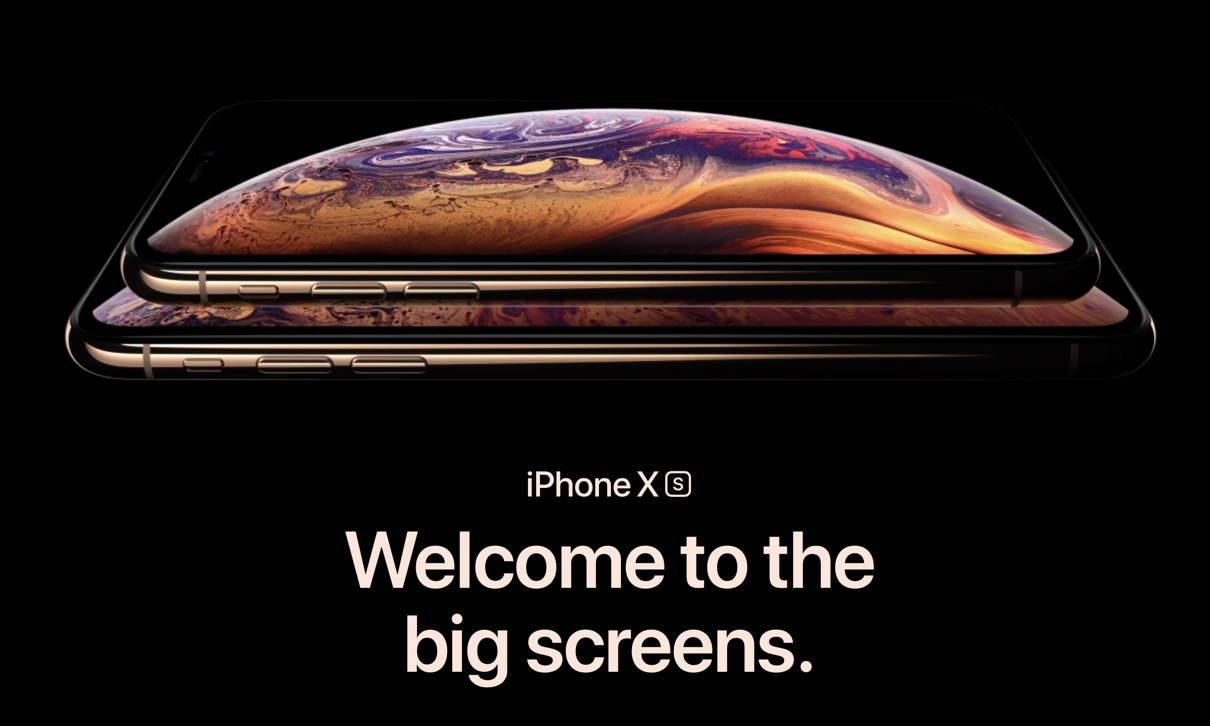
Apple announced some new phones on September 12 with the Apple iPhone Xs. They also shared their new super iPhone, the iPhone Xs Max and a colorful iPhone Xr. None of these new devices inspired me to open up my wallet or reach for my credit card to pre-order this week. And I will likely skip this round altogether.
iPhone Xs Not Revolutionary Enough for Me
 Last year the iPhone X came out and it looked kind of cool, except for the stupid notch. It still left out the headphone jack, which surprised no one. This time around we get the same design with minor changes. Another notched design without a stereo jack. Rounded corners and no fingerprint reader.
See last year's Apple iPhone launch post and podcast from KevinPurcell.org
I waited to buy one till my youngest son broke his Samsun Galaxy S7 and decided he wanted to jump back on the Apple bandwagon. I didn't plan to buy the X at all, at least not the first generation. But, he needed a phone and we do the tech hand-me-down thing where dad gets the cool new tech and mom or the younguns get last year's tech. So Daniel got my iPhone 7 Plus and I bought a black 256GB iPhone X.https://www.youtube.com/watch?v=9m_K2Yg7wGQHere's what I didn't like and do like about the new design...
- Notches are stupid - why is this a thing? It doesn't really add much screen real estate. One developer I spoke to said the usable space for his app is actually slightly less on the iPhone X. It's a minor thing, but I still don't like it.
- Lightning to stereo dongles - Uggh!! I really hate dongles. I bought five of these so far because I need one for my car, one for my backup ear buds and one for a device I use that plugs into the headphone jack, or used to. Plus I lost two, so that makes 5. That's over $50 of dongles when you add tax. I could use the ear buds that came with the phone, but I hate those too.
- Design - the phone just looks cool! That doesn't matter as much to me as function, but I like how it feels and looks in my hand.
- FaceID v. Fingerprint Reader - I like how fast I can open my phone and don't mind the new gestures, which did take getting used to. However, I miss the fingerprint when I'm in the car waiting for my wife to get out of a store. I tap the screen and have to enter my password because my dock sits at an angle where the camera can't see my face. We get the same problem when it's laying on a table or desk next to my computer.
- It's an iPhone - I love Android, but I also love iOS. I'm a weird one. It's like cheering for the Packers and the Bears. I don't do that, but some people see my Android and iOS fandom as the same way.
- Great camera - the iPhone camera's great. I quit carrying a Sony Nex6 and eventually sold it. I gave my DSLR to my son who's now a photography student in college. Besides my DJI Spark drone, the only camera I own is on my phone.

- AirPods - These are the best thing Apple shipped in the last ten years. They're not the most comfortable, but I got used to them. They generally stay in my ears, unless I'm moving around a lot. They sound very good and last long enough to get through my morning. I plug them back into the battery carrying case and get enough to get through half the afternoon while I'm eating lunch. The case is awesome. They magnetically snap into the case so they won't fall out even if I accidentally open them. The lid snaps into place with magnets too. The case charges with the same lightning connector that charges he iPhone or iPad. Did I say I love my AirPods? At $159 they're expensive, but the design, sound quality and battery makes them worth it.
- Apple Watch - I used to carry a Samsung Galaxy phone and wore a Gear S3 watch. I love that watch, but I equally love the Apple Watch. I wish it showed the time all the time, but I like the way I can tap or draw to respond to text messages. It has pretty accurate movement tracking. Plus it looks better than the Samsung watch.
- Apps - While Android app developers nearly caught up, the same apps in iOS usually run better with more stability. And I beta test a number of Bible apps and the iOS beta testing works better with Testflight, an app you can use to install beta apps instead of always installing the latest beta from the App Store, which you have to do with Android.
 The iPhone Xs or Xs Max comes with some new features. We get a better screen, upgraded camera that's also faster, a new 6.5-inch model on the Max, a cool new gold color that looks amazing, and of course faster stuff. The processor and wireless runs faster and so does the video processor. The dumbed down the iPhone to come with a cheaper iPhone Xr with lower quality screen and colorful options.Unfortunately, none of these new features makes this a compelling upgrade. I'd love the larger display for running Bible study apps, but I can wait till I need a new phone in a year to 18 months when my phone hits the 2 to 2.5 year-old mark.A new Apple Watch looks compelling, but not enough to jump from my Series 3 Apple Watch. I like the idea of a ECG built-in. What if my heart starts acting up? Maybe the watch would save my life some day? But not yet since I'm not going to pay $400-$500 for a new heart monitoring feature plus a new slightly larger display and rounder design. Again, maybe in a year and half I'll jump.They are stills selling the iPhone 8, but who wants to go backwards? I don't hate the notch and lightning only audio that much.
What Apple Could Do to Take My Cash?
Here's what it would take for Apple to take my cash before fall 2019 or later?
- An iPad mini with Apple Pencil Support - I'd love a small 8.9-inch iPad that works like the new iPads. The $329 iPad supports the Apple Pencil. It doesn't come with the same pressure sensitivity. We also don't get the magnetic connector that snaps into the Apple Smart Keyboard cover. That's okay. I'd love for a smaller $329 iPad that has all the same specs as that iPad but smaller.
- iPhone with Apple Pencil Support - Can you tell I like the Apple Pencil. I wish the iPhone Xs Max had support for the Apple Pencil too. If they did that in addition to the new stuff in the Xs and Xs Max, then I'd sell my current phone and buy the new one.
- iPhone with TouchID and headphone jack - It's not going to happen, but if it did...
- Great new revolutionary design that I can't imagine but wish Apple could - I'm not sure what this would be, but I also couldn't imagine they'd come up with the iPad and they did. That design changed tablets forever in a very positive way. So, wow me Johnny Ive!
- Mac mini update - I would love a new Mac mini with a 500+ GB SSD and faster current processor that's smaller and has USB C all for about $700.
Apple iPad Pro 9 Months Later: Theotek Podcast #075
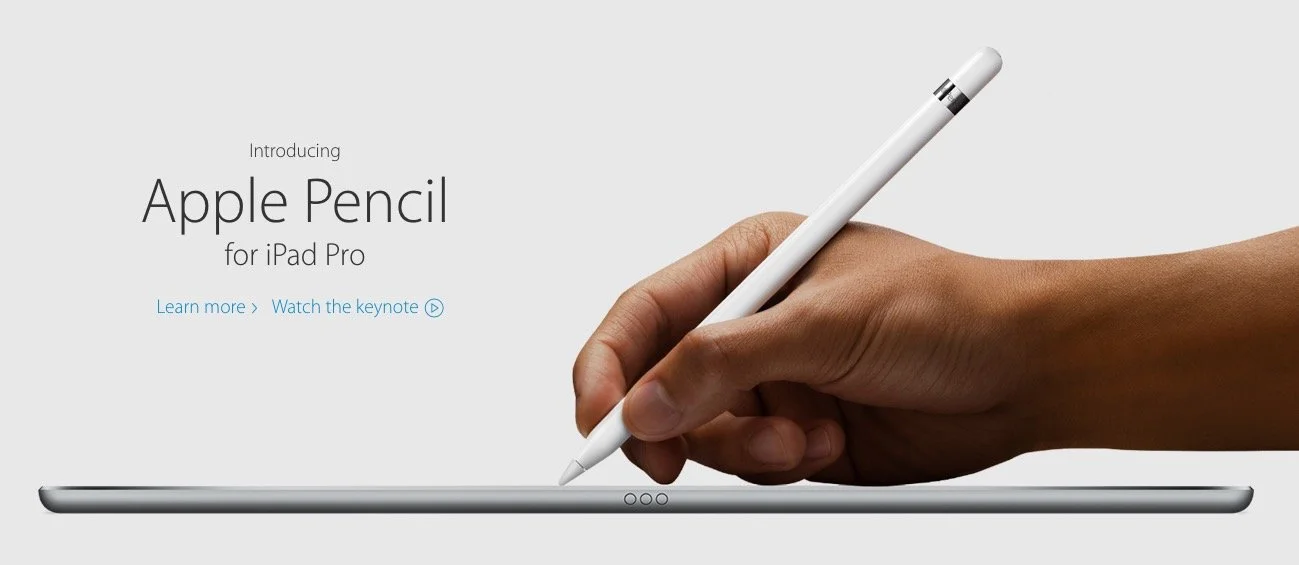
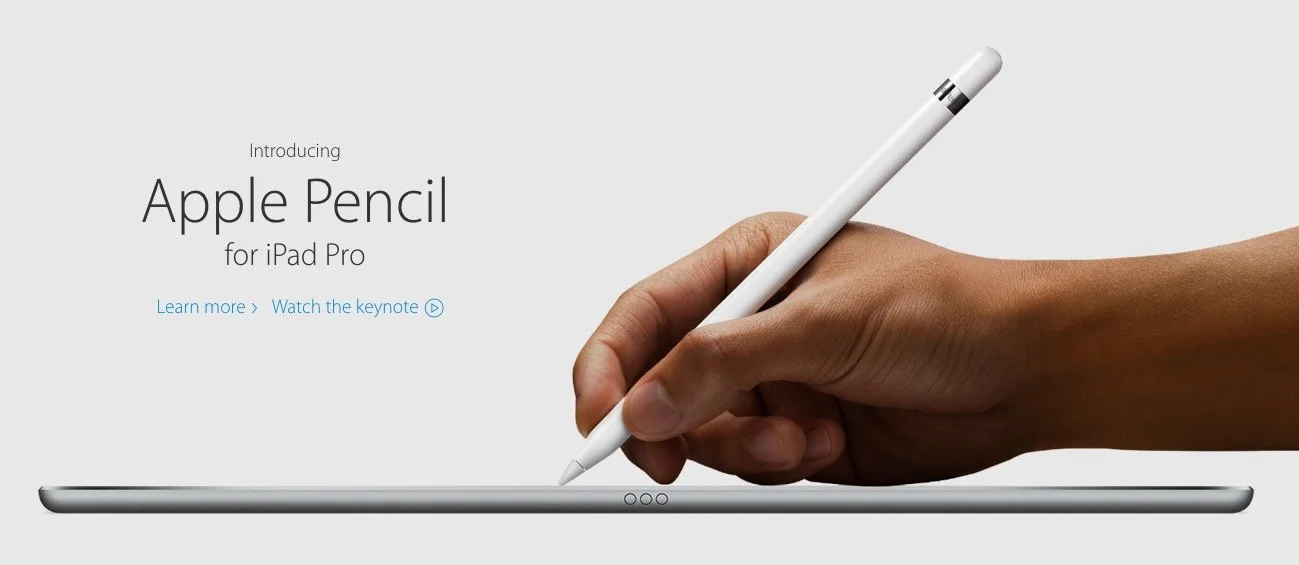
Our crew talked about our experiences in the last 9 months using the iPad Pro for our Bible study, preaching, and general work/play. Then we looked at Our Favorite Things. We planned to talk about Scrivener, a great writing tool that a few of our team members use. However, we went long talking about the iPad, so we'll save that discussion for next week. In the meantime, watch or listen below to our thoughts on using the iPad Pro.
- What's it great for?
- How could Apple improve it?
- How does it compare to Surface Pro 4?
- How are we using ours?
- What does Wes think just hours into owning one?
https://www.youtube.com/watch?v=rBgBqB8jomUFor Our Favorite Things this week, I talked quickly about SideClick, a little remote attachment for streaming set-top boxes, like Amazon Fire TV, Apple TV and Roku. Check it out at their website.
Google and Apple - Fight! Theotek Podcast #041
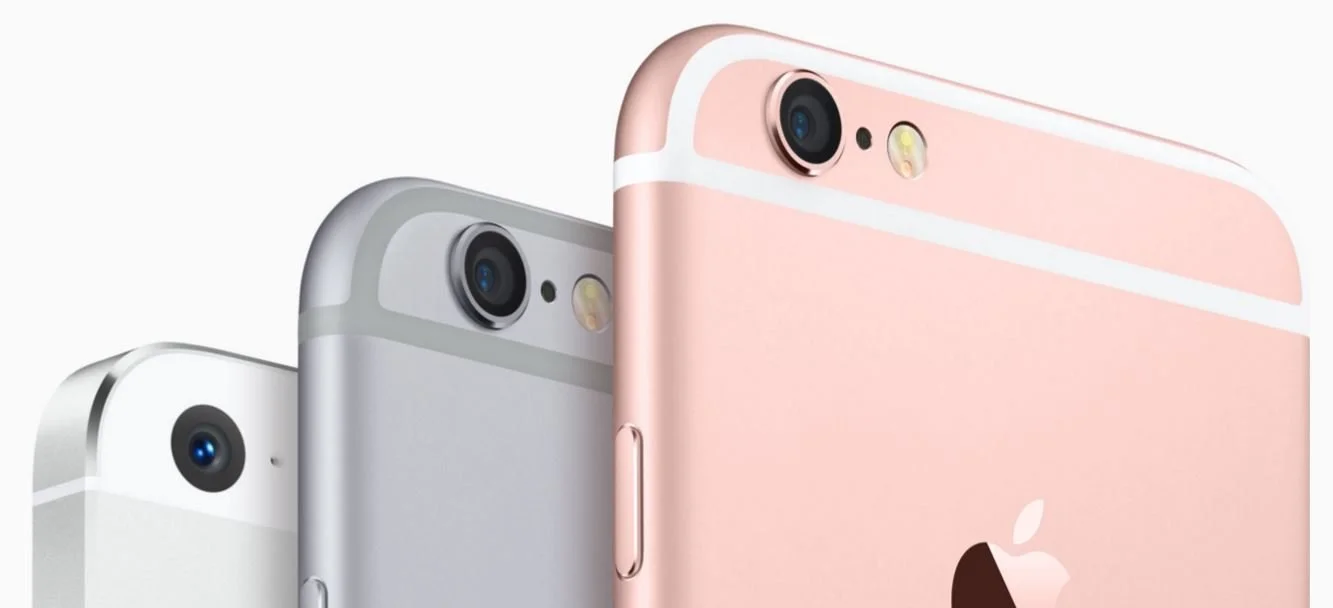
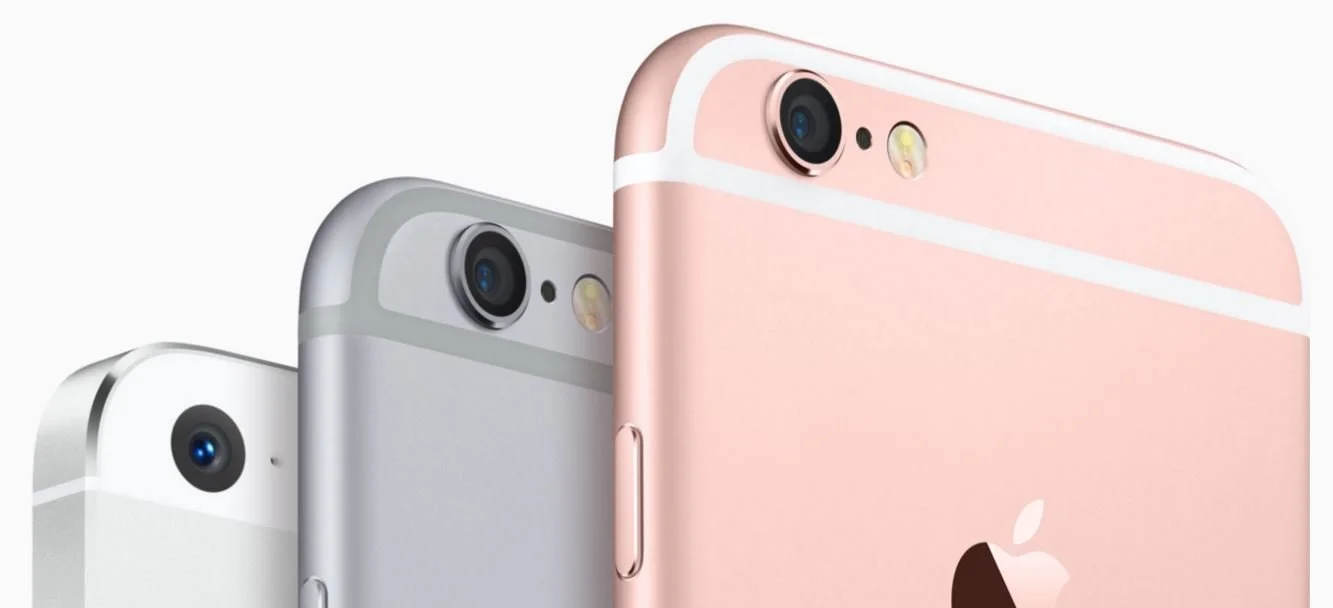
We discuss the new Google and Apple offerings after they announced their new hardware at their fall events. Apple released the iPhone 6s and iPhone 6s Plus as well as iPad Pro, a new iPad that competes with the Surface Pro 3 or now the Surface Pro 4.https://www.youtube.com/watch?v=EznJOU5Tii8Google announced their new goodies also, including a Nexus 5X and Nexus 6P smartphones. Learn more about them from our team in this week's Theotek Podcast.
iPad Sermon Preperation: Tools Apps and Tips
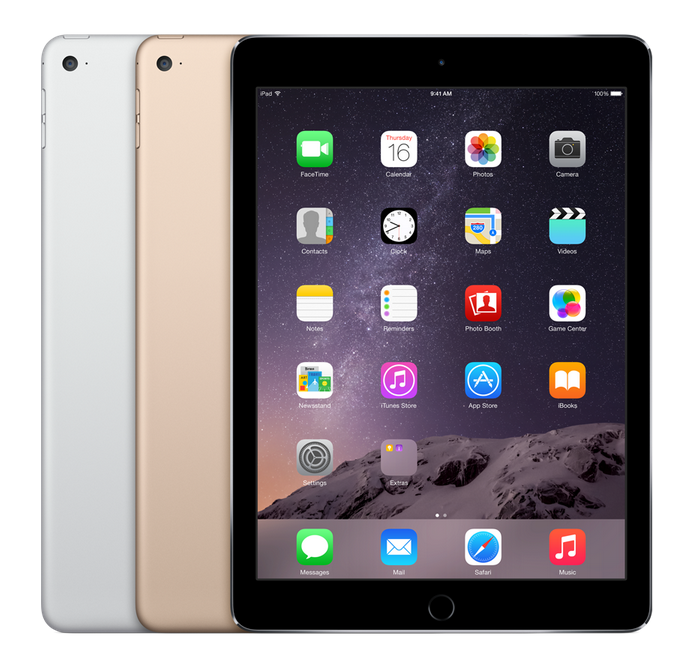
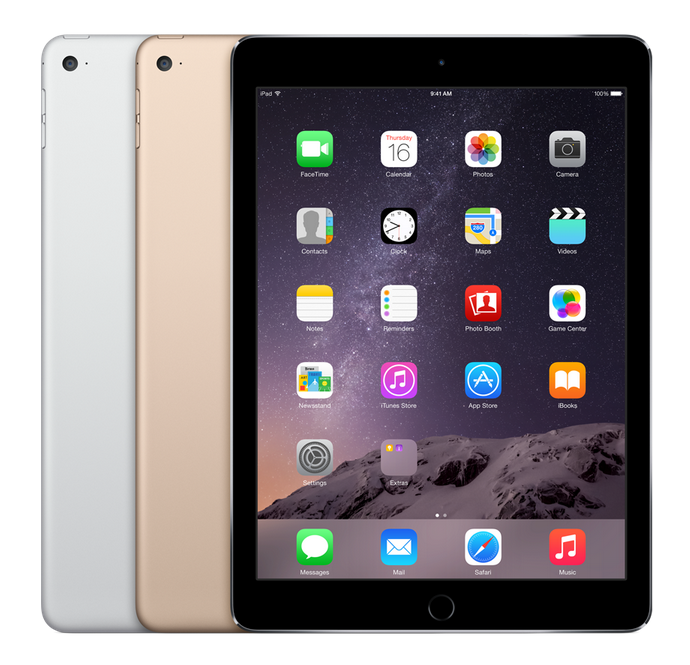
Ever thought about doing a little iPad sermon prep?A lot of preachers carry around an iPad or some other tablet these days for checking email, surfing the web, playing games, streaming video or taking notes. Many of us also use them for simple Bible study on the go. However, can a preacher study and prepare an entire sermon or Bible study using no other device than an iPad? In other words, from start to finish, ignore their laptop or desktop computer and commit entirely to iPad sermon prep? If you've ever been tempted to retire the laptop and get out of the office, this is for you. Let's look at the following:
- Tools needed to use an iPad or other tablet for reading, studying and preaching the Word of God
- Apps that will help the preacher study, organize and then write their sermon/Bible study
- Tips for doing all of this well
https://www.youtube.com/watch?v=bFdN4bjcnQASo grab your iPad and read on...
Accessories Needed for iPad Sermon Preparation
First, grab a Bluetooth keyboard if you're serious about iPad sermon preparation. Some people may want to use their iPad's software keyboard, but typing on a screen doesn't work as well as typing on a physical keyboard. Connect your keyboard to the iPad using Bluetooth. It's simpler and easier than trying to connect one using USB. Also, the battery on my iPad doesn't run out that fast and I never turn Bluetooth off.You can choose from three styles of keyboards.
- Keyboard case integrated with your iPad case.
- Full-size case that the user carries along with their iPad.
- Small, foldable or roll up keyboard.
Each comes with strengths and weaknesses. According to Gear For Gaming, the case approach gives us an all-in-one package to carry around. However, the user's still holding the keyboard when they're not using the case. We've got a recommendation that fixes this problem.Using a full-size keyboard gives the user a better typing experience. We've got two recommendations that feel great while typing and let the user hook up to three different devices. That lets you type on a tablet and a phone and then put it on the desk at home and use the same keyboard with your desktop. We'll explain how this works later.Taking along a full-sized keyboard means less convenience and portability. It's too many things to carry. A laptop with a keyboard attached might work better. Still, read on because we've got a couple of suggestions that are still very portable.The final option is smaller than a full-sized keyboard. These are small foldable keyboards that often fit in your pocket. They are hard to type on quickly.First, look for a Bluetooth keyboard and second decide which of three styles you think you'd prefer. The best keyboard cases come from Logitech because they're thin and light. They usually feel great while typing. Logitech just released the Logitech Blok case. It looks a lot like Microsoft Surface Pro 3 with its kickstand back. The keyboard fits on the tablet along with the snug and thin case. When it's time to type open it up and even detach it so the screen's not too close. This also means you can remove it while using your iPad as a tablet only.https://www.youtube.com/watch?v=TcEuKDRJalIPeople who prefer a full-sized keyboard should look at the Apple Bluetooth Keyboard ($69) and get a carrying case for it or get one that will hold both the iPad and the keyboard.
 Logitech also makes a great nearly full-sized keyboard. It's the Logitech Easy-Swtich Bluetooth Keyboard, model K811 for $100. It connects to 3 devices. It has a selector switch for Android, iOS and Windows. However, it also connects to an Apple computer and comes with an Apple keyboard configuration with the COMMAND and OPTION keys and shortcuts for iPad.
 A third keyboard option also fits the "full-sized" mold. The Microsoft Universal Mobile Bluetooth keyboard is my favorite of the bunch because it's small and less expensive than the three of the above options at only $79.95. It comes with its only carrying box and unfolds when we're ready to type on it. It also connects to multiple devices at once.Since I hate the tiny fold up keyboards and the roll up keyboards, I don't have a recommendation. You can find these usually for $20-$50 at Amazon or your local office/electronics store.My friend Antoine Wright of Mobile Ministry Magazine and a co-host of Theotek Podcast would scream at these suggestions. He'd wonder why not forget the keyboard and just use a stylus. Draw and write notes. And I agree with him.
 A few great options let you do fine-tipped drawing and handwriting. The larger tipped stylus that most people use are terrible. I hate them and never use one. But these feel more like writing with a real pen.
https://www.youtube.com/watch?v=LuhIg72nI2k
Apps that Help Preachers Study and Write Sermons
Get a good Bible study app. That's obvious, but remember that not all Bible apps do the same task. I always prefer full Bible study apps over the simple Bible readers. The best Bible apps on the iPad don't necessarily do the best job of supporting advanced Bible study. Logos Bible from Faithlife goes toe-to-toe with Olive Tree's Bible Study as two of the most popular Bible study apps for advanced research. A few other great contenders include...
 Each of these coms with strengths and weaknesses. The best option usually depends on what the preacher uses on the computer. Logos users should use the Logos apps. Olive Tree users should get their app. You get the idea. However, try downloading all of these. Each offers a free version and you may get some good content. That's especially true if your desktop application doesn't offer a good iPad app, like Bibleworks or PC Study Bible.In addition to Bible study apps, look for a good word processing app and maybe a presentation app. Do you use Microsoft Office on a computer? Then give their iPad apps a try. To get the full experience the user will need an Office 365 subscription. Office 365 costs between $60 and $100 per year or less if you shop around.Apple makes Pages and Google offers Google Docs. Each comes with strengths and weaknesses, so try them out and see what you like.Some people prefer one of the many note taking or mind mapping apps for taking notes on an iPad while studying their Bible app. Also, do forget that some of the above Bible apps have great notes features that you can write in instead of using a separate app.
 Here's a list of great note taking apps.
- Evernote - ubiquitous note taking and syncing app.
- Apple's update Notes app offers more features in iOS 9
- iA Writer - be sure to get the cheaper of the two. The $20 version doesn't add enough to make it worth twice the price. It handles mark down, something my friend Wes Allen, a fellow Theotek co-host, will love.
 Don't forget hand writing or digital inking as a writing tool. There's a bunch of great apps that let the user write. Here's a list of my favorites.
- Notability
- Metamoji Note
- Penultimate
- Paper by FiftyThree
- Apple's new Notes app also does handwriting and drawing now. Scroll down on the page in the previous link to see what's coming.
 Some people prefer using a mind-mapping tool. I don't use one, so I'm not a great source for the best options. My friend Rick Mansfield (from Accordance and my co-host on Theotek Podcast) told me about a post about mind-mapping for sermon prep.
 See more about mind mapping in the tips below.
Tips for Using an iPad while Preaching or Teaching the Message
Once you have a good keyboard and/or stylus, your preferred Bible study app, a good word processing too, handwriting app, or mind-mapping tool, here are some tips for effectively doing Bible study and writing on the iPad.
- Learn to multitask. Apple gives iPad users two ways to switch between apps. Use double tap or the swiping gestures to go back and forth between apps. In iOS 9 on iPad Air and iPad Air 2 users can dock a second app by swiping in from the right side of the screen.
- Write in the Bible app's notes feature if you want side-by-side user environment. I mentioned this above. This might not be the best way to write your preaching notes so when finished copy and paste the notes to a word processor for formatting.
- Copy and Paste Bible text or quotes from the app to the word processor. To preach or teach from an iPad get in the habit of copying the text of the Bible into the word processor so there's no need to deal with turning pages in a physical Bible.
- Use Mind Mapping apps for a different approach to sermon or Bible study notes. Mind Mapping refers to using visual organization of ideas. Get an awesome stylus to draw a circle on the screen of your inking app. Then write your Big Idea in the center. If you don't know what a "Big Idea" is, then stop what you're doing and read Biblical Preaching by Haddon Robinson. If you still don't understand, then get The Big Idea of Biblical Preaching by Keith Wilhite and Scott Gibson. If you still don't understand then go back to your seminary or Bible college and ask for your tuition money back.
- Sources for Illustrations. There's a wealth of great content online for teaching and preaching, from online Bible study sites to news sites that offer useful illustrations. Use Wayne McDill's tool for finding illustrations from 12 Essential Skills for Great Preaching. Avoid the canned sermon illustrations books and sites that become out of date soon after they're published. Also, look at PreachingToday.com for som great up-to-date illustration material.
- Remember visuals. People learn better when we combine at least senses in the teaching or preaching experience. So look for ways to include the sense of sight, smell, touch and even taste while teaching or preaching. Take note of them when you think about your sermon's Big Idea and concepts. In ascending order of effectiveness from the least effective to the most effective senses for memory are hearing, seeing, touching, tasting and smelling. If someone hears you preach and sees an image, they will remember what you say longer. Add one of the other three and they may never forget it.
- Use a presentation tool. The iPad offers a great collection of presentation tools from Keynote and PowerPoint to Prezi or Haiku Deck. Go here to see a great list of alternatives to Keynote and PowerPoint.
5 Ways Accordance Mobile 2 is Vastly Improved
Accordance Bible Software released a new version of their mobile app awhile back. It includes a bunch of great new features that make it vastly improved over the earlier versions, which I never really used much due to the sub par quality. However, these new features entice me to open Accordance Mobile more than ever before. Here's the 5 ways that Accordance Mobile 2 is vastly improved over the earlier version.Here's Accordance's own video highlighting the update.https://vimeo.com/122677075
Quickly Link and Unlink Parallel Panes in Accordance Mobile
 It seems strange, but Accordance didn't handle unlinking of window panes well until version 2. Now the app includes a button on the toolbar that quickly links or unlink the two open window panes.Open two window panes as normal. Then tap on the link button to either link them or unlink them. When the user unlink the two, the second pane will not scroll along with the first. This makes it easier to deal with commentaries where a person wants to read an entry from a previous passage without moving the Bible text to the earlier verse.
Download All Option in Library Manager
 When installing books in Accordance Mobile 2, there's now a download all button that makes it easy to quickly install the entire Accordance Mobile library. Before we had to select each book and then download them.Other mobile Bible apps need this feature. I've begged one app developer to add this feature since the iPad first came out.
Text Display Improvements
 Accordance rewrote their text display engine for a more attractive and complex set of features. Now users can change the fonts and color of text. The font button opens a dialog box with the following customization:
- Display brightness slider
- Font larger/smaller buttons
- Day and Night Theme selector
- Font selection
- Font color
- Background color
- Link to full display settings in the app
Awesome New Notes Features in Accordance Mobile
 Accordance really improved the notes features in Accordance Mobile. For example, users can now format their notes with things like font, font size, the color and format of the font (bold, italics, underlining). Users can also copy their notes and share them with others via iOS share sheets. Define words in notes and search for selected text in notes. Accordance Mobile 2 now lets users change the background color of their notes as well.
iPhone 6 Plus Capability
The iPhone 6 Plus lets people use apps in landscape mode thanks to the large 6.5-inch screen with high-resolution retina display. Accordance uses all that screen real estate to show more content in a side-by-side parallel pane view.
Notifications Section Today Screen Shortcut to Accordance Mobile
 Thanks to the notifications section in iOS, Accordance Mobile can put a shortcut to the app in the Today section. Slide down from the top of the screen and tap on the Edit button at the bottom of the Today section. You'll see a list of available Today section widgets. Tap the plus icon next to any one of them, including Accordance Mobile. This puts the widget in the list at the top of this screen. Rearrange the order of the notifications Today section widgets by dragging on the handle that looks like three horizontal lines to the right of the item.In the above screenshot I've only got on link. However, all recently opened resources will show up. It could list many more than the one book like mine does above.
Expanded Action Menu
 Now when a user selects text in a book or Bible text, a new expanded action menu appears above the selected text with new features.
- Copy
- Highlight
- Clear
- Share
- Search
- Amplify
- Define
- Note
- Bookmark
The Search and Amplify features won't show up on the action bar that appears above selected text when there's a Bible with Strong's tags opened, like the ESV, HCSB or KJV. In that case a box opens up (called the Instant Details) below the word with a definition from Strong's and two hyperlinks with Search and Amplify there instead.
Better and More Highlight Options
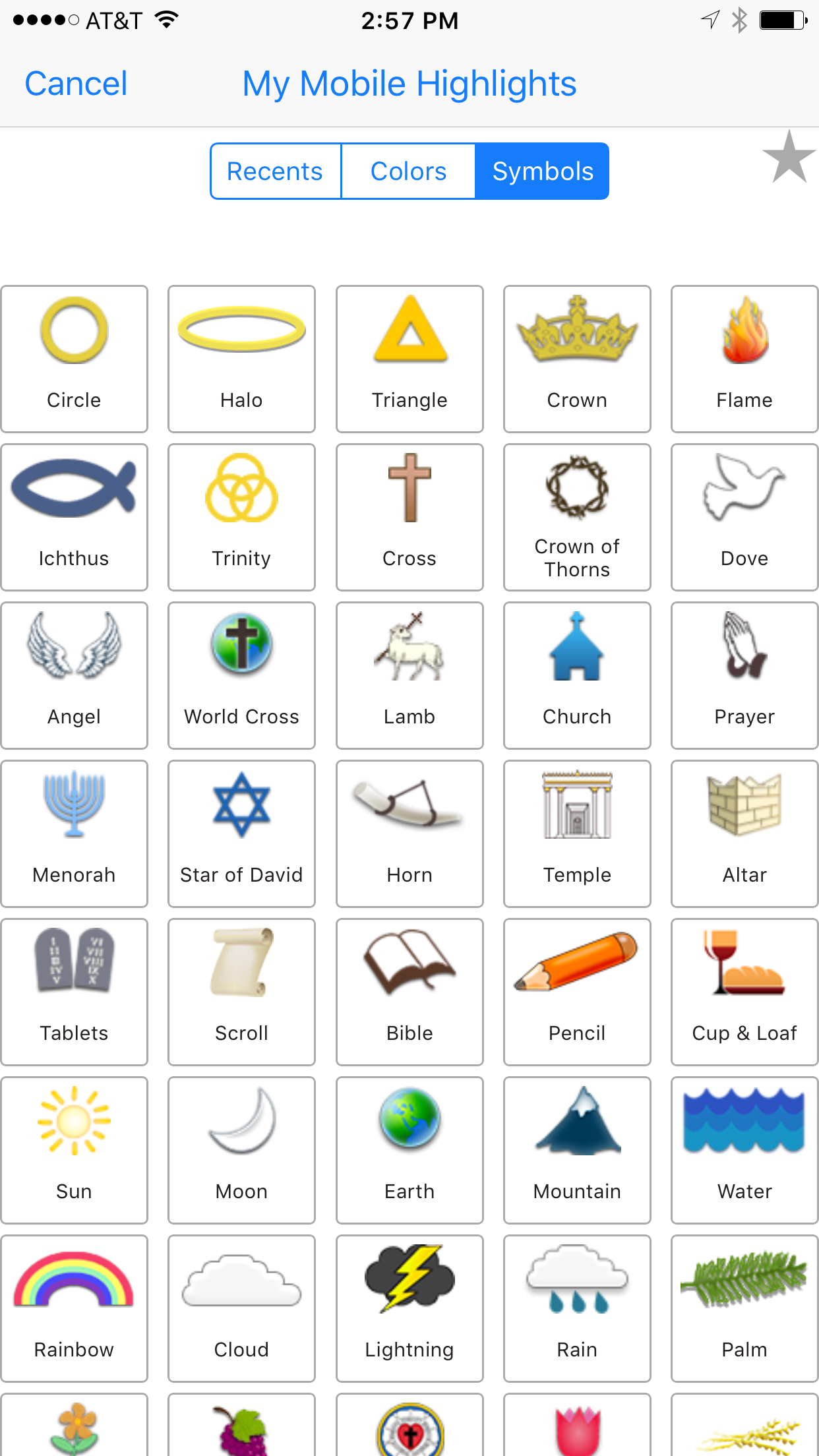
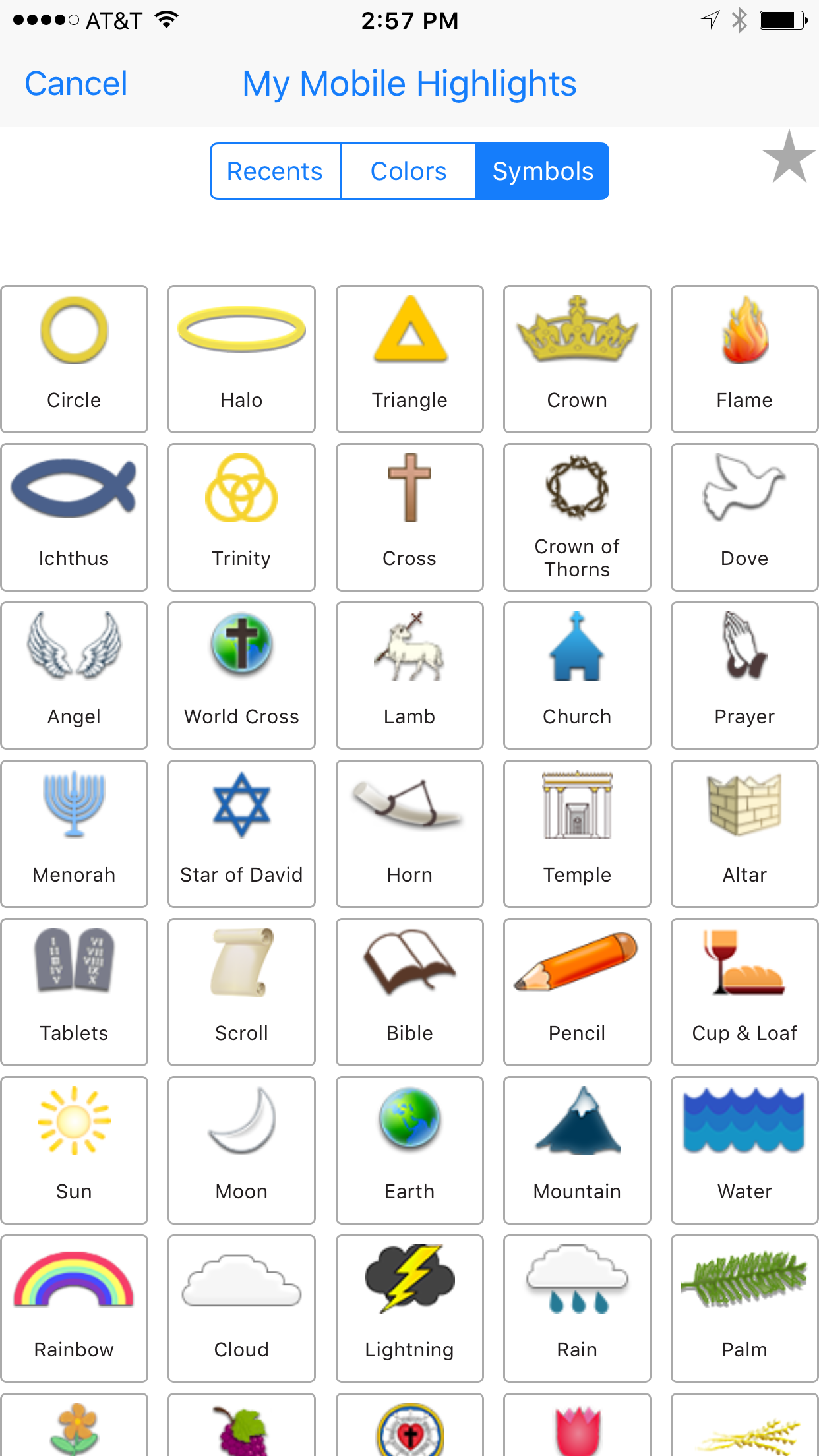
 In addition to the traditional color highlighting of text, Accordance Mobile 2 adds highlight symbols. Tap the symbols tab that shows up in the highlighting dialog box and choose a symbol. That symbol will show up below the text of the verse selected when the use added the highlight.There's also a Recents tab which shows the user's recent highlight symbols or styles. Also, uses can add other highlight styles and choose them by tapping the Highlights title.
2 More Free Resources
Who doesn't love free stuff. Accordance Mobile 2 will include 2 more free resources.Accordance added the Dr. J's Bible Study Methods tool, which teaches people who to study the Bible using Dr. J's methods in Accordance. He's the guy in the video above. Use this as a tutorial for Accordance like a quick start guide to studying the Bible with the program's powerful features. They also added Bill Mounce's Biblical Training course. There's 17 of them available free.Get more info at Accordance and download the app from the App Store.